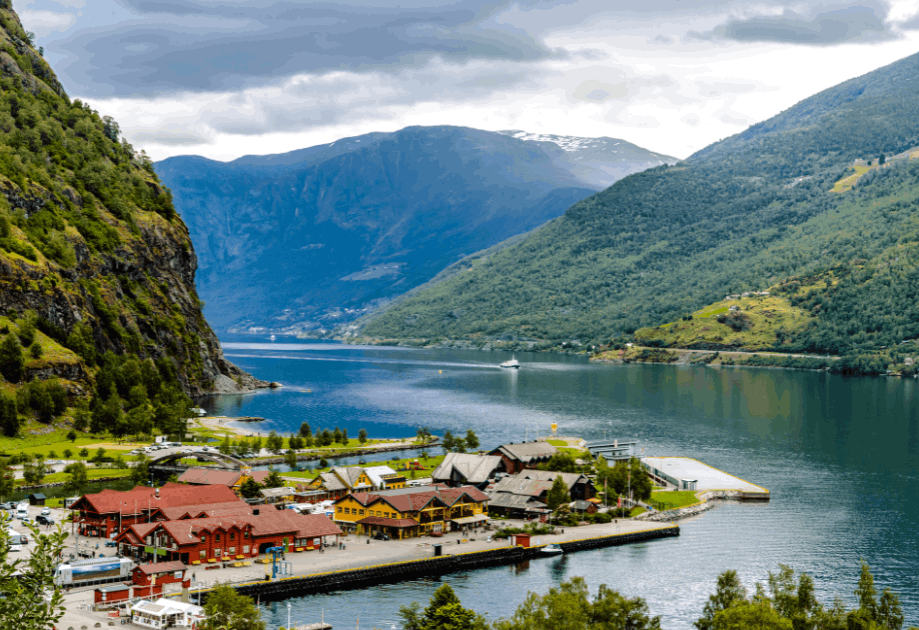
Study in Norway
Studying in Norway can be a rewarding experience as the country offers high-quality education, a safe and inclusive environment, and stunning natural landscapes.
Studying in Norway can be a rewarding experience as the country offers high-quality education, a safe and inclusive environment, and stunning natural landscapes.
Norway is the northernmost country of Europe and part of Scandinavia. It is a constitutional monarchy famous for its natural beauty, the midnight sun and northern lights. Traditionally, Norway has been known for its maritime and offshore industries, but heavy investments in ICT and technology have resulted in a diverse and innovative economy. Norway can offer a vast range of experiences and activities for everyone.
Norway is one of the leading countries conforming to the guidelines from theBologna Process in European higher education. The degree system based on the Bachelor's, Masters and Ph.D. structure has been successfully implemented, together with the ECTS credits system. By adapting to the European standard in higher education it is easy for students at Norwegian institutions to obtain recognition of their qualifications in other countries.
Norway has several reputable universities and colleges. Some well-known institutions include the University of Oslo, Norwegian University of Science and Technology (NTNU), and the University of Bergen.
Explore the programs offered in English, as many Bachelor's, Master's, and Ph.D. programs are available in this language.
Norway is known for its high living standards, and the cost of living can be relatively high. Make sure to budget for accommodation, food, transportation, and other personal expenses.
Tuition fees may apply for non-EU/EEA students, but many institutions offer scholarships. Non-EU/EEA students are allowed to work part-time during their studies. Check the regulations and opportunities available. Research opportunities for post-study work or further education if you plan to stay in Norway after completing your studies.
The higher education system of Malta is open to international students. Currently there are over 600 full-time foreign students from some 75 countries. In addition, around 300 foreign students participate in semester exchanges. ESC Office could provides information and services regarding course requirements, accommodation, immigration, financial matters, health issues, procedures, regulations and qualifications to apply for university study in Malta. At present no scholarships are available, but it is possible to enrol in higher educational institutions in Malta. For more information, please contact our counselor or admission counselor of ESC.
Check the specific admission requirements for the program you're interested in. Requirements can vary between universities and programs. Applications are typically submitted through the university's online portal.
Make sure to check the application deadlines for your chosen program.

Mobirise.com